
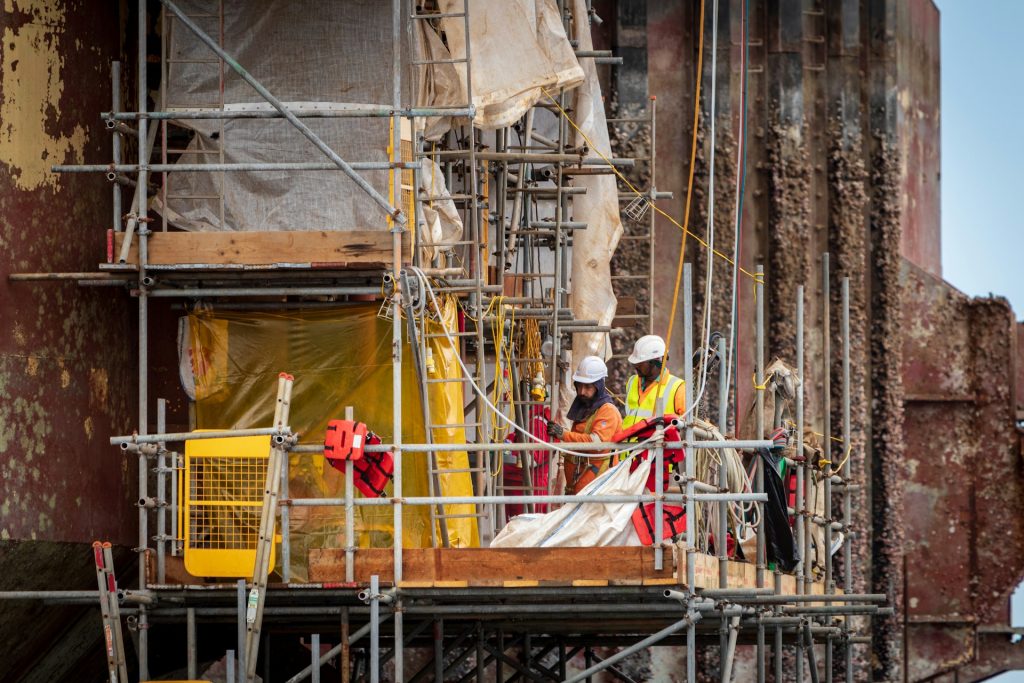
Understanding the Importance of Rig Maintenance in Ensuring Operational Efficiency
Rig maintenance is critical to avoiding costly downtime. We discuss the top maintenance practices to keep your rigs operating efficiently and safely.
In the offshore and onshore drilling world, efficiency isn’t just a metric — it’s the margin between profit and loss. A single day of unplanned downtime can cost an operator hundreds of thousands of dollars, disrupt production schedules, and compromise safety. That’s why rig maintenance remains one of the most essential pillars of operational success.
Across the industry, the companies that consistently deliver strong performance share one trait: a disciplined, proactive approach to maintaining their drilling rigs. Here’s why rig maintenance matters — and the key practices that keep operations running smoothly.
1. Preventing Unplanned Downtime
Breakdowns don’t happen overnight; they develop slowly, often unnoticed. Without structured maintenance schedules, minor issues can escalate into major failures.
Proactive maintenance helps:
- Detect wear and tear early
- Replace failing components before they break
- Reduce the risk of equipment shutdowns during peak operations
This is especially critical on offshore rigs, where equipment runs almost continuously under demanding conditions.
2. Enhancing Worker Safety
Safety is inseparable from maintenance. When equipment is neglected, it becomes unpredictable — and unpredictable rigs create higher-risk environments.
Proper maintenance ensures:
- Mechanical systems operate as designed
- Emergency systems remain fully functional
- Personnel are not exposed to avoidable hazards
Well-maintained rigs don’t just produce better; they protect the people who operate them.
3. Prolonging the Life of Critical Equipment
Drilling rigs involve significant capital investment. Extending their lifespan through scheduled upkeep is one of the most cost-effective decisions an operator can make.
Benefits of longevity-focused maintenance include:
- Lower long-term operating costs
- Reduced frequency of major equipment overhauls
- Better asset resale value
Maintenance is not an expense — it’s an investment in asset protection.
4. Meeting Regulatory and Compliance Standards
Oil and gas is one of the world’s most heavily regulated industries. Maintenance practices must meet strict safety, environmental, and performance standards.
Consistent rig maintenance supports:
- Compliance with regulatory inspections
- Certification renewals
- Audits from operators, partners, and safety authorities
Non-compliance can lead to fines, shutdowns, or reputational damage — all avoidable with disciplined maintenance systems.
5. Leveraging Technology for Predictive Maintenance
The future of rig performance lies in data. Modern rigs increasingly rely on sensors, analytics, and automation to forecast equipment needs before a failure happens.
Key tools include:
- IoT sensors that monitor vibration, pressure, temperature, and loading
- Predictive maintenance software that detects anomalies
- Digital maintenance logs for real-time visibility and planning
Predictive maintenance is helping operators move from reactive repairs to smart, data-driven interventions.
6. Building a Skilled Maintenance Workforce
Even the best equipment fails without qualified hands. A trained maintenance team is crucial for rig reliability.
Effective crews must be able to:
- Interpret diagnostic data
- Perform complex mechanical and electrical repairs
- Follow detailed maintenance procedures
- Troubleshoot under pressure
Continuous training ensures crews remain up to date with the latest equipment and regulatory standards.
Top Maintenance Practices for Efficient Rig Operations
Here are the foundational practices every rig operator should implement:
- Routine inspections and lubrication schedules
- Strict adherence to OEM maintenance guidelines
- Regular testing of safety-critical systems
- Fast-response repair protocols
- Well-organized spare parts inventory
- Detailed maintenance logs and tracking
These practices create a culture of reliability — one where rigs stay productive and operators stay protected.
Conclusion
Operational efficiency isn’t achieved by chance; it’s built on the back of consistent, well-planned maintenance. As drilling environments become more complex and equipment grows more technologically advanced, the importance of maintenance only increases.
Investing in proper rig care means fewer breakdowns, stronger safety performance, and more profitable operations.