
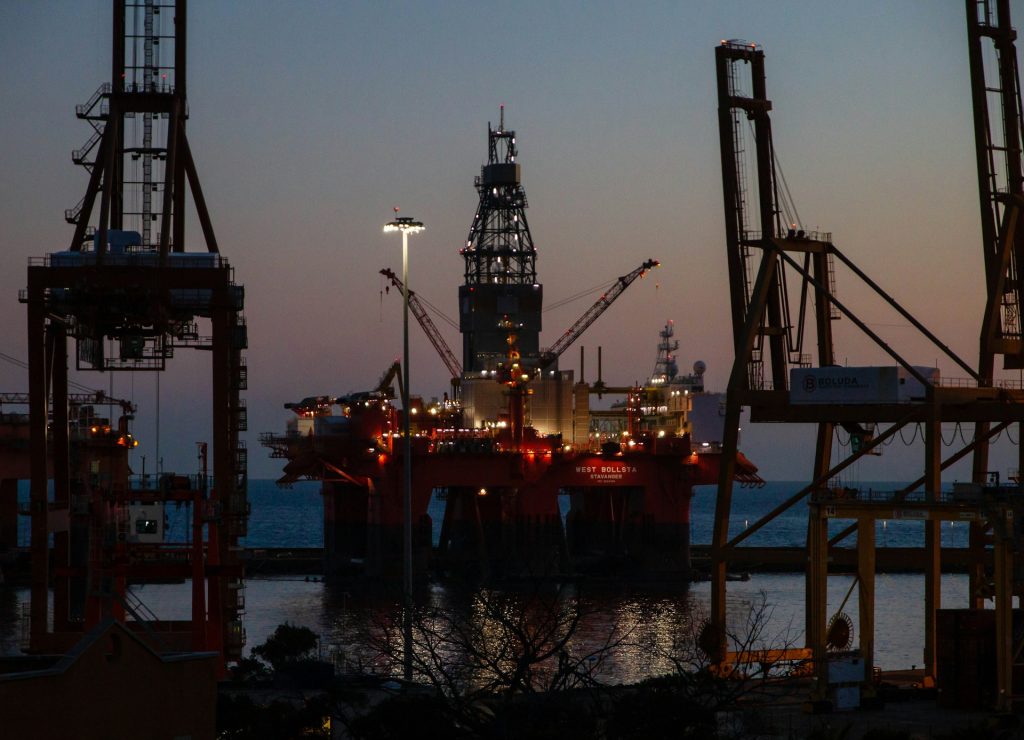
How Offshore Logistics Is Changing the Future of Oil and Gas
The growing demand for offshore oil extraction is reshaping logistics operations. Here’s how the latest trends in marine transport and offshore technology are creating efficiencies.
For decades, offshore oil and gas development has relied on a delicate choreography of vessels, rigs, supply bases, and weather windows. But as offshore drilling moves into deeper waters, harsher environments, and more complex fields, the old logistics playbook is being rewritten. Today, offshore logistics isn’t just a support function — it’s becoming one of the industry’s most strategic levers for efficiency, cost reduction, and operational resilience.
Below, we explore the trends transforming the offshore logistics landscape and what they mean for operators, service companies, and investors.
1. The Rise of Digital Offshore Operations
Digital transformation has finally reached offshore logistics in a meaningful way. For years, operators depended on manual scheduling, fragmented data systems, and reactive planning. Now, integrated logistics platforms are offering something the industry has long needed: real-time transparency.
Key innovations:
- Digital twins for supply bases: Operators can simulate vessel routes, cargo loads, weather impacts, and rig demand to optimize scheduling weeks in advance.
- AI-driven vessel routing: Algorithms adjust course, speed, and supply intervals to reduce fuel burn and downtime.
- IoT-enabled cargo tracking: Every container, tool, and chemical drum can be tracked from dock to derrick, cutting delays and losses.
This digital shift has already delivered measurable savings. Operators report 5–12% reductions in vessel fuel consumption, 20–30% fewer logistics-related delays, and fewer HSE exposure hours due to better planning.
2. Larger Vessels, Fewer Trips — But Smarter Trips
Marine transport remains the backbone of offshore logistics. Yet the types and roles of vessels are changing rapidly.
What’s driving it?
- Offshore fields are now farther from shore, raising cost per voyage.
- Crew sizes on rigs are shrinking, shifting supply cadence.
- Environmental regulations are tightening fuel-use and emissions standards.
In response, operators are moving toward:
- Platform Supply Vessels (PSVs) with expanded deck capacity
- Hybrid-electric and LNG-powered support vessels
- Multi-purpose service ships that handle cargo, subsea work, and emergency response in one platform
These changes reduce port calls, slash operating costs, and support sustainability targets.
3. Offshore Wind Is Redirecting the Supply Chain
Even though the oil and gas sector remains dominant offshore, the explosive growth of offshore wind is reshaping logistics infrastructure.
How it affects oil and gas:
- Shipyards and offshore fabrication yards are shifting capacity toward wind components.
- Crew transfer vessels (CTVs) and service operation vessels (SOVs) are experiencing higher demand.
- Shared offshore bases are emerging, allowing oil & gas and wind operators to pool logistics resources.
This convergence is pushing oil and gas companies to rethink vessel procurement and long-term contracting, especially as the availability of specialized offshore vessels tightens.
4. Autonomous and Remote Operations Are No Longer Experimental
If the last decade was about automation on rigs, the next will be about automation on the water.
Autonomous offshore vessels — once a speculative idea — are now performing inspections, supply runs, and subsea work in pilot programs across the North Sea, Gulf of Mexico, and West Africa.
Benefits include:
- Reduced safety exposure: Fewer crew members offshore.
- Lower operating costs: Smaller vessels, less fuel, minimized maintenance.
- 24/7 operations: Not constrained by crew shifts.
Remote-operated cargo drones are also entering the mix, delivering small equipment and urgent spares directly to rigs without waiting for a vessel to mobilize.
5. Offshore Hubs Are Becoming the New Global Supply Centers
Strategic offshore “micro-hubs” — floating or nearshore staging points — are enabling faster resupply for fields spread across wide distances.
These hubs reduce turnaround time and cut the cost of running every supply run from a mainland base. They operate like mini supply bases, equipped with:
- Modular warehouses
- Fueling stations
- Autonomous monitoring systems
As offshore developments expand into frontier regions, these hubs will become indispensable.
6. Environmental Pressures Are Redefining the Logistics Blueprint
With climate regulations tightening and ESG reporting becoming a board-level priority, offshore logistics must align with sustainability goals.
Current initiatives include:
- Low-emission vessel fleets
- Optimized route planning to reduce fuel burn
- Carbon accounting tools for marine operations
- Waste reduction and backhaul strategies
The next wave is likely to introduce fully electric offshore support vessels and green hydrogen–powered crafts, once infrastructure matures.
The Bottom Line
Offshore logistics is no longer about simply moving cargo from Point A to Point B. It’s becoming a highly strategic, tech-driven, efficiency-focused discipline that directly impacts profitability and sustainability.
As offshore oil extraction moves deeper, farther, and into increasingly competitive markets, the companies that invest in modern logistics — digital infrastructure, autonomous systems, green operations, and advanced marine transport — will lead the industry’s next decade.
The future of offshore energy belongs to those who can supply it smarter, faster, and cleaner.