
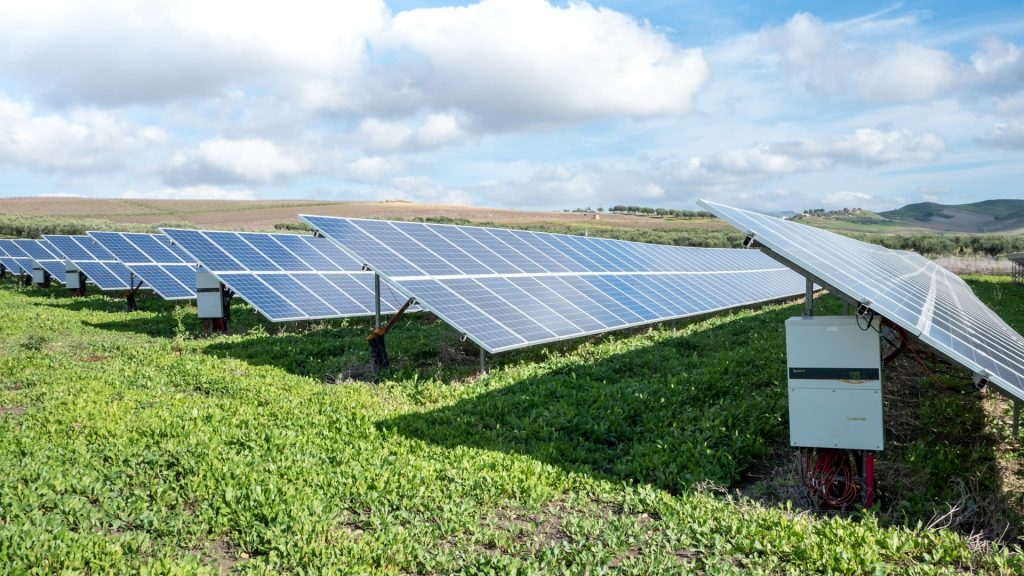
Sustainability in Oil & Gas: A Path to Cleaner Energy
Sustainability is becoming a key focus for oil and gas companies. In this post, we explore how OMJ Oil & Gas is committed to cleaner energy practices and reducing our environmental footprint.
For much of the last century, the oil and gas industry has been defined by its ability to fuel economies, power industries, and drive global development. Today, that role is evolving. With growing pressure from regulators, investors, and the communities where we operate, sustainability is no longer a side initiative — it’s a core strategic priority.
At OMJ Oil & Gas, our commitment to cleaner, more responsible operations is reshaping how we work, invest, and plan for the future. Here’s how we’re reducing our environmental footprint while still delivering reliable, high-quality energy products that keep Nigeria — and Africa — moving.
1. Lower-Emission Fuel Sourcing
Thanks to our partnership with one of Nigeria’s most reliable energy producers, we secure cleaner-burning Diesel (AGO) and high-quality Cooking Gas (LPG) directly from the Dangote Refinery. These fuels are refined under modern, low-sulfur standards designed to reduce emissions and improve air quality.
By prioritizing cleaner fuel sources:
- Diesel engines run more efficiently
- Urban air pollution is reduced
- Customers benefit from higher-quality products
It’s a win for our clients and the environment.
2. Efficient Logistics, Smaller Footprint
Logistics is one of the biggest contributors to emissions in the petroleum supply chain. OMJ Oil & Gas is addressing this through:
- Optimized delivery routing to reduce fuel consumption
- Well-maintained tanker fleets that minimize leaks and inefficiencies
- Faster loading cycles thanks to direct access to Dangote’s loading infrastructure
Each improvement translates to fewer miles traveled, fewer emissions generated, and safer operations across the board.
3. Commitment to Product Quality and Safety
Environmental sustainability is inseparable from responsible handling of petroleum products. That’s why we follow strict safety and handling standards for Diesel and LPG, reducing the risk of:
- Product contamination
- Fugitive emissions
- Unnecessary waste
Safe operations aren’t just good practice — they’re central to long-term sustainability.
4. Supporting a Cleaner Energy Mix
Nigeria is still in the early stages of energy diversification, but LPG is already proving to be a powerful cleaner alternative for households and businesses.
At OMJ Oil & Gas, we are actively supporting this transition by:
- Expanding LPG supply availability
- Encouraging customers to adopt cleaner cooking fuels
- Providing stable, high-volume access to gas sourced from modern refining processes
Every cylinder of LPG used instead of firewood or kerosene moves the country one step closer to a healthier environment.
5. Future Plans: Building a Sustainable Energy Strategy
Our long-term vision positions OMJ Oil & Gas as more than a fuel supplier. We are actively exploring initiatives such as:
- Solar-powered depot operations
- Hybrid energy systems for offices and logistics
- Digital tools to track and reduce carbon emissions
- Partnerships focused on community energy access and cleaner technologies
These investments will help shape an energy model that balances reliability with responsibility.
Closing Thoughts
Sustainability in oil and gas isn’t just about cutting emissions — it’s about reshaping the way we operate, the way we invest, and the way we envision the future of energy.
At OMJ Oil & Gas, our mission is simple:
deliver high-quality, reliable fuels while embracing cleaner, safer, and more forward-looking practices.
The path to cleaner energy is a journey, and we’re proud to be part of it.